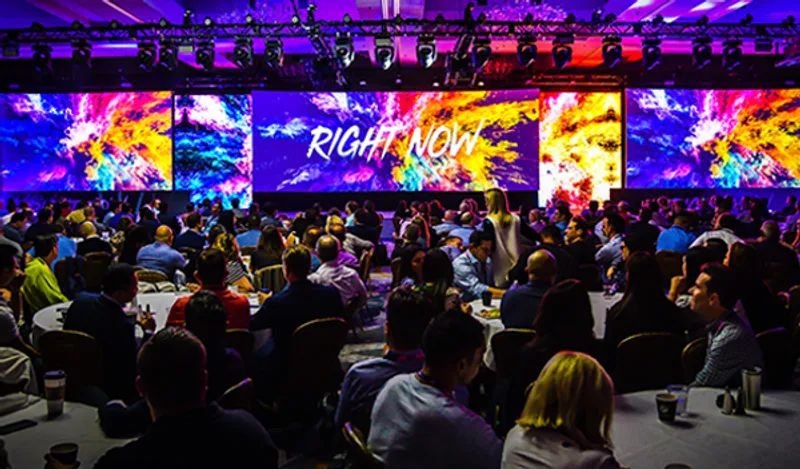
At IMEX America 2026, we shared the frameworks we use to design memorable brand experiences.
They came. They clapped. And by the next day, they remembered nothing.
If that line stings a little, you’re in good company. Plenty of planners have run an event where the logistics were flawless, the speakers were prepared, the production was polished and the timeline ran to the minute. And by the next morning, it had already faded. The hallway buzz was gone and the conversation had moved on to Monday’s inbox.
At IMEX America in Las Vegas, we hosted a popular session called Science & Psychology of Unforgettable Experiences to show how to close that gap. The core idea: memorable brand experiences are designable and repeatable.
The Short Version
- A well-executed event and an unforgettable one are two different things. Logistics, signage, production, and speakers can all be right, and the event can still fade.
- Start with why. Four stakeholder questions turn “we just want people to attend” into outcomes you can design toward.
- Memory follows the peak and the end. Guests judge an event by its best moment and its last, so design those on purpose and lift the valleys.
- Two tactics make moments stick. The jolt surprises people; a sense of ownership gives them a role.
- Feel, think, do. Every moment should leave people feeling something, thinking something or doing something.
What Separates a Well-Run Event From a Memorable One
Picture two events. In both, everything runs smoothly.
- The first: The audience attended, but were they really there? By the next morning, it’s already fading.
- The second: People lean in. Phones stay away. There’s energy between sessions and the hallway conversations are electric. People leave talking about something they felt or saw, a moment that showed them something about themselves or their work. They carry it home and tell people about it.
On a checklist, both events succeeded. Only one became a memorable brand experience.
“That’s the difference between a well-executed event and an unforgettable one.”
Start With the Why: Four Questions Before Live Event Production
Event planning fills up fast with deadlines, vendors, content, executives and a hundred moving parts. So kickoff meetings usually start with the easy question: “What did we do last year?” The better question, and the one skipped most often, is “Why are we doing this event at all?”
If your event does everything right, attendees will leave different than they arrived. How will they be different? Four questions to your stakeholders get you there:
- What business outcome matters most to your team as it relates to this event?
- What do you want the audience to feel about your business at this event?
- What do you want the audience to do in relation to your business after this event?
- What message or story do you want reinforced about your business?
Turn Surface Answers Into Designable Goals
“We just want people to attend” becomes “We want to strengthen relationships with our top clients and increase their likelihood to renew in the next sales cycle.” “We just want them to have fun” becomes “We want the audience to feel recognized, energized and motivated to take the next step with us.”
Translate Stakeholder Goals Into the Attendee Experience
Once you have the goals, translate them into the language of the event. If Sales wants pipeline, design networking into the experience. If Marketing wants brand elevation, make sure storytelling moments come through visually and emotionally across the event. Then write it down in a simple alignment document. When priorities change or conflict appears, that document is your north star. You stop being the person managing the timeline and start being the partner driving the experience.
Designing Memorable Brand Experiences Around the Peak and the End
Memory works like a highlight reel. Research by Kahneman, Fredrickson, Schreiber, and Redelmeier (Psychological Science, 1993) shows people judge an experience largely by its most intense moment and its final one. The middle fades.
For anyone planning memorable brand experiences, that gives you a design box:
- A strong beginning that sets the tone from the first minute.
- A real peak built around the reason the event exists.
- A strong end that sends people out on a high.
- Valleys treated with care. Valleys are the long lines, the dry content, and the lulls in action. Make the right minutes extraordinary and raise the floor everywhere else.
The Disney Test: The Peak-End Rule in Practice
On paper, a day at Disney is a tough set of circumstances: heat, long lines, expensive food, crowds. Yet people come home saying it was magic. Overlay the box and you can see why. The beginning is high, with Main Street and the castle. Pre-show content turns the waits into part of the ride. The peak is a child meeting a favorite character. Even the pricey food is delicious and wears mouse ears. The day ends high, with fireworks and a lit-up parade. The day was imperfect; the right moments were unforgettable and the low points were made less low.
From When to What: Two Ways to Make Event Moments Stick
The box tells you when. The two tactics we shared tell you what. Both echo ideas from Chip and Dan Heath’s The Power of Moments.
1. The Jolt: Break the Script Attendees Expect
We all move through events on autopilot, following scripts we’ve agreed to without saying so. Break the script and people notice. A restaurant paints dessert directly onto the tablecloth. During lockdown, a farm let companies book a goat to pop into their video meetings, and clients remembered the goat. Skip the goat if you like. What you need is a moment no one sees coming, a little creativity and an appetite for low-stakes risk.
2. Pride and Ownership: Give Attendees a Role
Moments stick when people play a role in them. Kids at Trader Joe’s earn a sticker for finding a hidden stuffed animal and ask to come back. Fitbit tells you that you walked the length of India this year. People remember what they felt part of or were surprised by.
One caution: every surprise needs a job. Ask what the moment should do for your audience.
The Core 3: What Attendees Should Feel, Think and Do
Every unforgettable moment should leave people feeling something, thinking something or doing something. These are the levers we design every brand experience around, and they map directly back to the four stakeholder questions.
- Feel: inspired, seen or energized. This is the emotional connection that makes a memory stick.
- Think: the belief or new perspective you want them to leave with. This is your message layer.
- Do: the next step, such as booking a meeting, joining a community or advocating internally.
What to Do on Monday: Four Steps for Your Next Event Agenda
We closed the session by asking the room to try four steps on their next agenda:
- Map your next agenda on the box. Mark the opening, the peak, the end and the valleys.
- Pick one valley and give it a jolt, or give attendees a role.
- Ask what you want people to feel, think and do at each key moment.
- Do it all before the production schedule hardens.
Questions Worth Asking
What makes some brand experiences more memorable than others?
Research published in Psychological Science found that people judge an experience largely by its most intense moment and its final one, with the middle fading from memory. Memorable brand experiences design those two points on purpose and lift the low points in between, so the event people recall is the one you planned.
When should memorable moments be planned in the live event production process?
At the strategy stage, while stakeholder goals are being defined and before the production schedule hardens. Moments planned that early can guide staging, content and the run of show; moments added late have to fit around decisions already made.
How do you decide which moment should be the peak of an event?
Go back to the four stakeholder questions and find the feeling or message the event exists to deliver, whether that’s recognition, a product reveal or a call to action. Build the peak around that moment and place it where energy is high and attention is still fresh.
What should you ask a live event production company about designing memorable moments?
Ask how they identify the peak and the end in your agenda, and how early in the process those moments get designed. A strong partner will connect each key moment back to what you want attendees to feel, think and do after the event.
Large-Scale Event Production Built Around the Moments That Matter
That’s the thinking we bring to every program as a live event production company, from executive summits to large-scale conferences. We start with the attendee, build the run sheet around the moments people carry home, and plan memorable brand experiences from the very first meeting.
Awe starts here. Let’s Talk
Written by EJ Corporan