The Psychology Behind Great Event Flow and Scheduling
Event organizers who understand human psychology create experiences that stick with attendees long after the final presentation ends. The difference between a forgettable gathering and a transformative event lies in how that content flows through carefully orchestrated moments that align with natural human rhythms and expectations.
Smart event planners tap into psychological principles to craft schedules that energize rather than exhaust, engage rather than overwhelm, and inspire action rather than passive consumption. This strategic approach transforms ordinary corporate gatherings into memorable experiences that drive real results. Keep reading as we dive into the psychology behind great event flow and scheduling and how you can master this transformative process.
Why Attendee Psychology Drives Event Success
Human attention spans follow predictable patterns throughout the day. Research shows that our cognitive abilities peak at different intervals, with most people experiencing their highest alertness levels during mid-morning hours. Understanding these natural rhythms allows event organizers to position their most important content when audiences can best receive it.
Attendees also carry emotional expectations into every event. They want to feel valued, learn something meaningful, and connect with others who share their interests. When event flow acknowledges these psychological needs, participants become active contributors rather than passive observers.
How Pre-Event Anticipation Sets the Stage
The psychological journey begins before attendees ever walk through the door. Building anticipation creates a positive mindset that primes participants for engagement. Strategic communication leading up to the event should highlight specific benefits attendees will gain, not just agenda items they’ll sit through.
Effective pre-event messaging focuses on outcomes rather than activities. Instead of “Panel Discussion on Market Trends,” try “Discover Three Market Shifts That Will Impact Your Business This Year.” This approach activates curiosity and creates mental investment before the event begins.
Create Powerful Opening Moments That Captivate
First impressions shape the entire event experience. The opening 15 minutes establish energy levels, set expectations, and determine whether attendees mentally check in or check out. Successful openings acknowledge the audience’s time investment and immediately demonstrate value.
Strong openings avoid lengthy housekeeping announcements or generic welcomes. Instead, they launch with compelling questions, surprising statistics, or interactive elements that require immediate participation. This approach signals that attendees will be active participants, not passive listeners.
Design Schedule Balance for Maximum Impact
Effective event scheduling alternates between high-energy presentations and reflective moments. This rhythm prevents cognitive overload while maintaining engagement throughout the day. The most successful events follow a pattern similar to a well-composed musical piece, with crescendos of excitement balanced by quieter interludes for processing.
Consider grouping related content into themed segments rather than jumping randomly between topics. This approach helps attendees build conceptual frameworks and retain information more effectively. Corporate event production teams that master this balance create experiences that feel energizing and educational.
Strategic Break Timing for Peak Performance
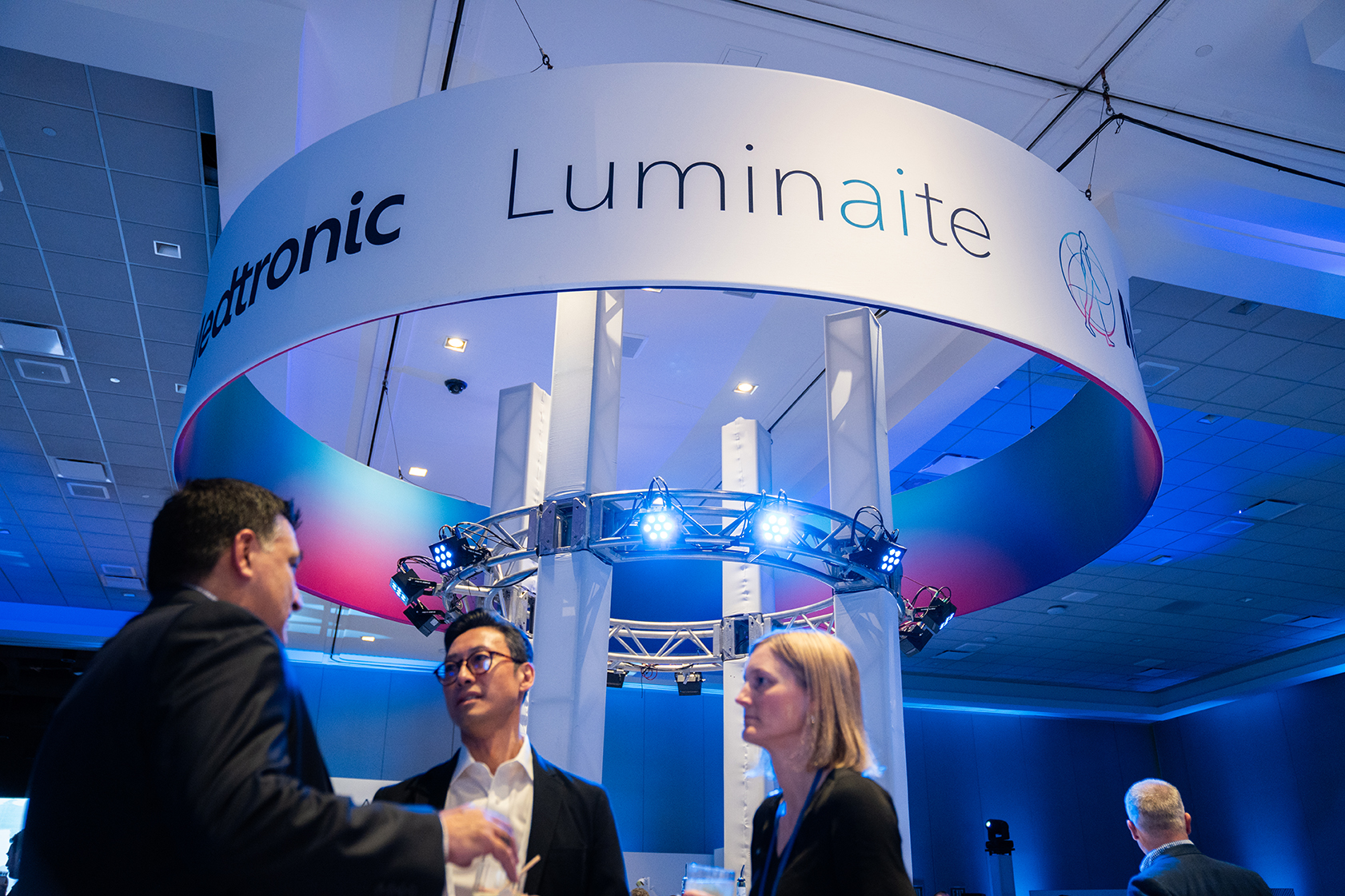
Breaks serve psychological functions beyond basic comfort needs. Well-timed intermissions allow attendees to process new information, make connections with other participants, and reset their attention for the next segment. The timing and structure of these breaks significantly impact overall event satisfaction.
Research suggests that attention begins declining after 45 – 60 minutes of focused activity. Smart schedulers build natural break points around these intervals, using networking opportunities or interactive exercises to re-energize participants. These transitions should feel intentional rather than arbitrary.
Leverage Key Moments
Every successful event includes defining moments that attendees remember weeks or months later. These highlights don’t happen by accident—they result from deliberate positioning within the overall schedule. Identifying and strategically placing these peak experiences maximizes their psychological impact.
Key moments might include:
- Surprise announcements or reveals.
- Interactive demonstrations.
- Powerful storytelling from respected speakers.
- Collaborative problem-solving exercises.
- Recognition or celebration activities.
Speaker Impact on Audience Psychology
The sequence of speakers affects how audiences receive each presentation. Opening with your strongest speaker can create momentum, but it might overshadow later presentations. Conversely, saving the best for last ensures a strong closing but risks losing audience engagement if earlier content disappoints.
Consider speaker energy levels and presentation styles when building your lineup. Alternate between high-energy, dynamic presentations and more thoughtful, analytical content. This variation prevents audience fatigue and accommodates different learning preferences within your attendee group.
Optimize Learning Curves Throughout the Day
Human brains process new information most effectively when it builds progressively rather than jumping between unrelated concepts. Successful event schedules follow learning curves that introduce foundational concepts early and build toward more complex applications throughout the day.
This progression mirrors how people naturally acquire expertise in any field. Beginning with basic principles and advancing toward practical applications helps attendees integrate new knowledge with their existing understanding. This approach increases retention and practical application after the event ends.
Master Energy Management Across Sessions
Energy levels fluctuate predictably throughout any full-day event. Morning sessions benefit from fresh attention spans, while post-lunch periods often require extra effort to maintain engagement. Afternoon sessions work well for interactive content that gets people moving and participating.
Smart organizers schedule their most complex or demanding content during peak attention periods. They reserve lighter, more interactive elements for times when energy naturally dips. This strategic approach works with human biology rather than against it.
Craft Memorable Closing Experiences
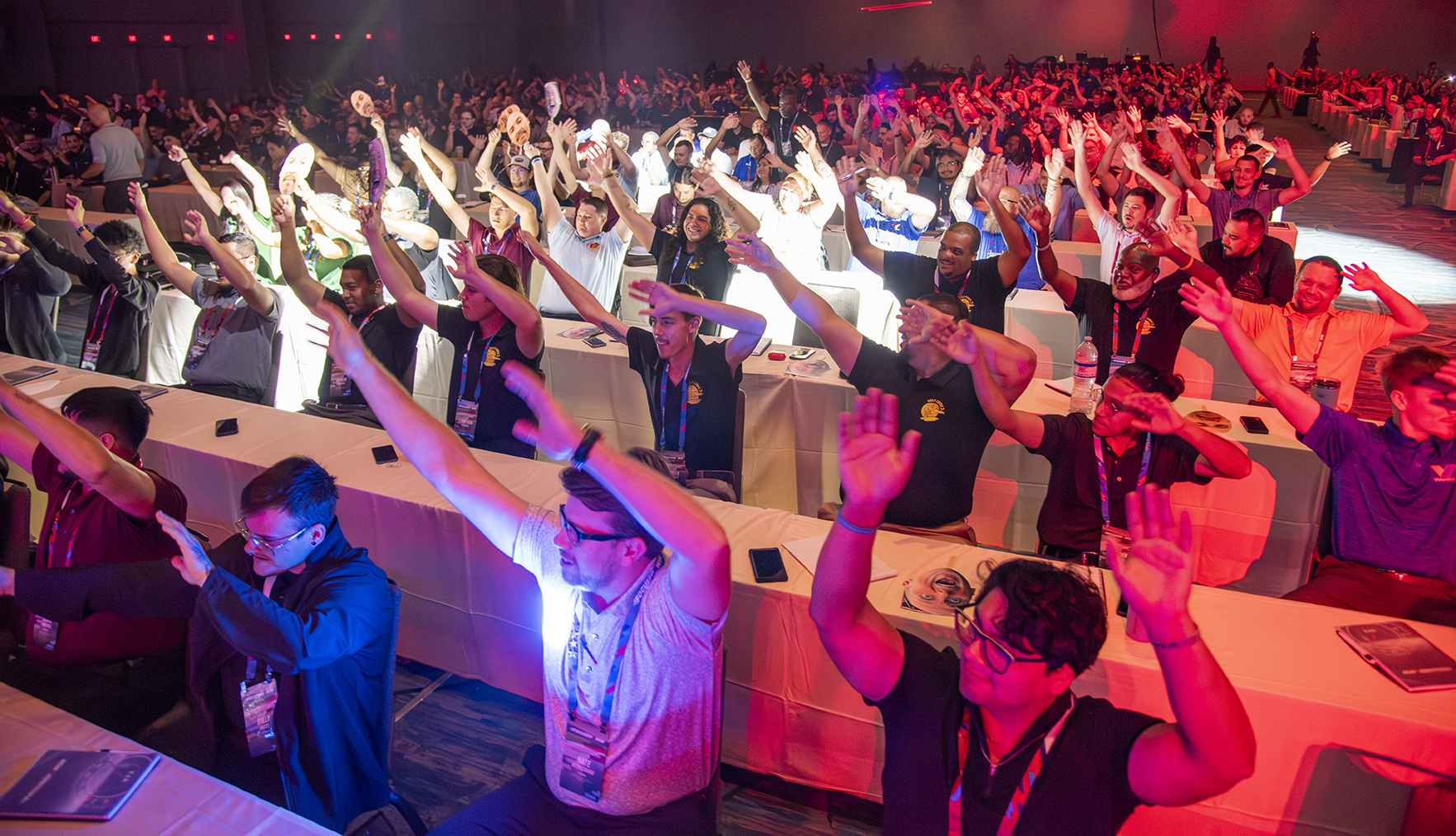
The final 30 minutes of any event disproportionately influence how attendees remember the entire experience. Effective closings synthesize key takeaways, provide clear next steps, and create emotional connections that motivate follow-through. They avoid the common mistake of simply reviewing agenda items or delivering generic thank-you messages.
Strong closings challenge attendees to apply what they’ve learned. They might include commitment exercises, action planning sessions, or collaborative discussions about implementation strategies. This approach transforms passive learning into active commitment.
Transform Your Next Event With Psychological Insights
Great event flow and scheduling play important roles in attendee psychology. The most successful gatherings create experiences that align with how human minds naturally process information, build relationships, and commit to change.
Start applying these principles to your next event by mapping your current schedule against natural attention patterns. Look for opportunities to build anticipation, create key moments, and design smooth transitions between different types of content. Partner with Ansera to master your corporate event strategy and build an experience crafted to every attendee’s needs, wishes, and event goals!